How Datchet Businesses Lock Down Security Better
Find Out More →Walk past The Horton on a quiet afternoon, or check in on one of the shops near The Green, and you'll notice something: the business owners here tend to think about their locks differently than most homeowners do. They've got systems, they plan ahead, and they don't wait for a crisis. There's a real lesson in that approach—and it doesn't require you to run a shop to benefit from it.
The difference between how local Datchet businesses handle locksmith security and how most homeowners do comes down to one thing: prevention versus panic. When you own a business, you can't afford to get locked out at the wrong moment, so you build relationships with a locksmith early, stay on top of maintenance, and think strategically about access. Homeowners rarely do any of that until something goes wrong. Here's what's worth stealing from the business playbook.
Why businesses don't wait until they're locked out
The biggest difference is timing. Local businesses don't call a locksmith only when disaster strikes—they call one when things are working fine, usually to audit what they've got and plan upgrades.
A café owner or shop manager will contact a locksmith to assess their current locks, ask about rekeying older stock, and talk through what happens if a key gets lost or a staff member leaves. They're thinking two steps ahead. Homeowners, by contrast, tend to reach out when they're locked out, have lost a key, or someone's moved out and they're suddenly worried about who has a spare.
This matters because locksmith work is cheaper and less stressful when it's planned. You're not paying an emergency callout fee. The locksmith can take time to understand your property properly, suggest the right solutions, and do the job without rushing. You might discover that a simple rekey makes more sense than replacing your whole lock, or that you need a second set of spares stored somewhere safer. None of that happens in a panic.
Building a relationship with someone who knows your property
Businesses know their locksmith by name. They've worked together before, the locksmith understands the building, and there's trust on both sides. That matters more than you'd think.
When a regular locksmith knows your property, they remember where your weak points are. They'll tell you straight if something's not worth fixing. If you need an emergency call at an awkward hour, they know your situation and won't treat you like a one-off job. In Datchet, where flooding occasionally affects properties near the river, this kind of relationship is particularly useful—a locksmith who knows your building might spot a risk you'd miss or suggest adjustments if water damage affects your locks.
As a homeowner, you get the same benefit. Call someone once for a consultation, let them look around properly, and you've got a contact for the next time. No scrambling through reviews at midnight, no explaining your property to a stranger, no second-guessing whether they're trustworthy. You already know.
Why spare keys matter (and where to keep them)
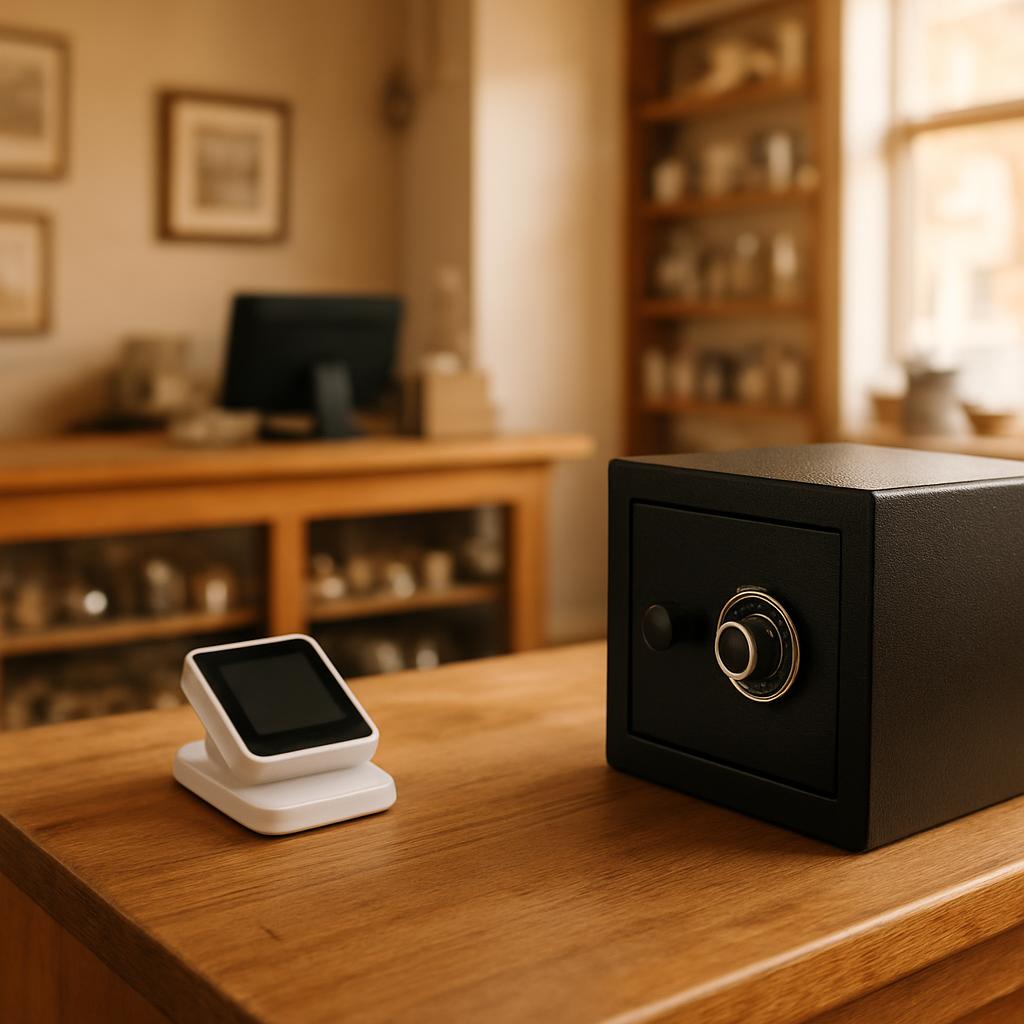
Every business with a spare key policy is miles ahead of most homeowners. They'll have a spare locked in a safe, maybe one held by a manager, possibly one at a different location. They never leave themselves completely stranded.
Homeowners usually have a single spare shoved in a kitchen drawer, or they've left one with a neighbour and can't quite remember which one. That's not strategy—that's luck. Businesses understand that losing access to your own property costs time and money, so they plan around it.
You don't need to be paranoid about it, but a second key kept somewhere genuinely separate from the first—not just in another room—changes everything. A locksmith can help you think through where that makes sense and how many spares actually serve you versus creating risk.
Staying ahead of wear and tear
Businesses replace locks before they fail, not after. They notice a stiff key, a sticky mechanism, or a lock that's taking longer to open, and they call someone rather than jiggling it harder.
That's partly because they can't afford downtime, but it's also smart economics. A worn lock is easier to pick, or it might fail when you need it most. A locksmith can spot wear early and swap it out for a fresh one before it becomes a problem. The cost is predictable and manageable.
At home, the same applies. If your key's getting hard to turn, that's not something to live with for five years. A quick call to our main site or a visit from a locksmith can diagnose whether it's a quick fix or a replacement waiting to happen. You'll know, and you won't wake up one morning unable to unlock your front door.
What to do next
You don't need to run a business to use business thinking about your locks. Start by calling Locksmith Datchet for a conversation—not an emergency, just a chat about what you've got and what might make sense. They'll walk you through it, help you spot any gaps, and give you options that fit your actual situation, not a one-size-fits-all answer.
The best time to deal with locksmith security is when you're calm, not when you're locked out in the rain. Local businesses have that figured out. You can too.
Looking for Locksmith near Datchet?
We have secure, flexible units available in the area. Get in touch with Locksmith Datchet today.
Find Out More →